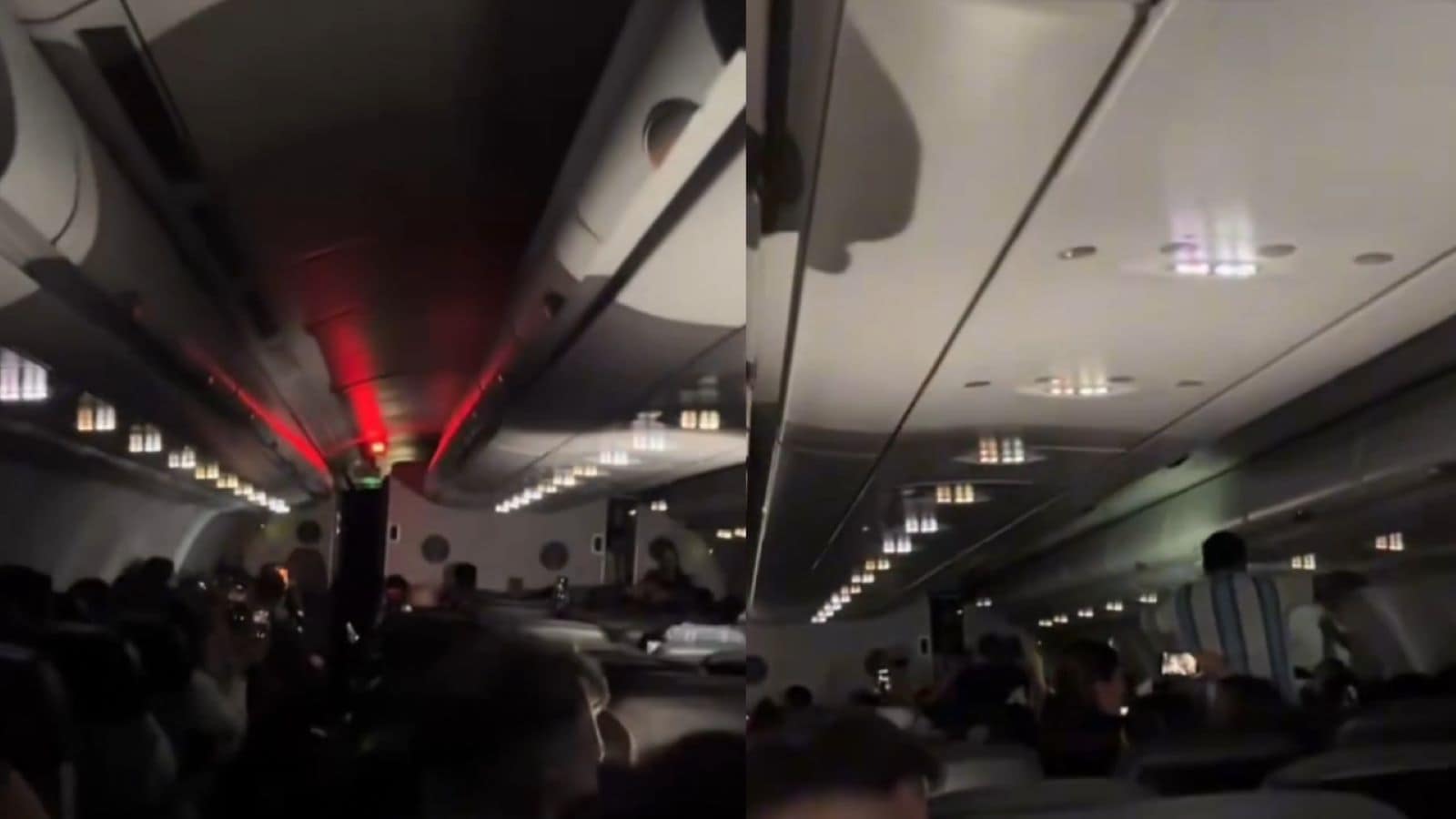
When the charter flight carrying the Argentine national team touched down at Ezeiza International Airport outside Buenos Aires, one seat sat conspicuously empty. Lionel Messi didn't fly back with his teammates. Having given every last drop of sweat on the grass in New Jersey, the 39-year-old captain remained in the United States while the rest of the squad returned home to face a nation in mourning and pride.
It's a poetic, heavy image. After 120 grueling minutes against Spain at New York New Jersey Stadium, Argentina's reign as world champions came to an end. A single extra-time goal from Ferran Torres in the 106th minute broke the tie, leaving Argentina empty-handed after their second consecutive World Cup final appearance.
The immediate aftermath brought a rush of raw emotion, tactical chaos, and intense reflection. If you only looked at the scoreline, you'd miss the bigger picture of what transpired during and after that final whistle.
A Brutal Battle in East Rutherford
The final itself was a tactical war. Lionel Scaloni set Argentina up in a structured 4-4-2, pairing Messi alongside Julián Álvarez up front. For 90 minutes, neither side broke through. Spain held the ball, while Argentina relied on grit and direct counter-attacks.
Things turned ugly late in regulation. Enzo Fernández received his second yellow card in the third minute of stoppage time, leaving Argentina with 10 men heading into extra time. Playing a man down against a relentless Spanish team took a massive toll on physical energy.
When Ferran Torres struck in the 106th minute, the pressure became unbearable. Tempers boiled over after the final whistle, leading to a heated scuffle near Spain's penalty box involving Leandro Paredes. It was a messy, painful finish to a tournament where Argentina fought through round after round to defend their title.
The Quiet Departure and a Captain's Message
While fans gathered near the Argentine Football Association headquarters in Buenos Aires to welcome the team, Messi chose to stay behind. Living and playing in Miami made remaining in the United States a practical choice, but it also symbolicly separated him from the national team's immediate return home.
Messi didn't stay silent for long. Taking to Instagram shortly after the match, he shared a candid, moving message with millions of supporters worldwide.
"The pain is immense, and this wound will take time to heal," Messi wrote. "But I also hold onto all the good things... The matches we turned around by giving it our all—moments that will remain in our memories forever—and the support of an entire country."
He congratulated Spain on their victory while reminding fans to appreciate what this squad achieved across back-to-back tournament cycles.
What Most Analysis Gets Wrong About Argentina's Future
Many pundits are already calling this loss a complete disaster for Argentine football. That's a short-sighted takeaway. Reaching consecutive World Cup finals is an exceptional feat that very few national teams ever accomplish.
Here is what really matters moving forward for Argentina:
- The Transition Beyond Messi is Here: Messi played all 120 minutes against Spain, but at 39, his international career has reached its final page. Argentina must now build around young talents like Nico Paz and Thiago Almada.
- Roster Restructuring is Urgent: Key veterans like Nicolás Otamendi and Rodrigo De Paul provided incredible backbone over the last four years, but fresh legs are required in midfield and defense before the next Copa América cycle.
- Scaloni's Tactical Legacy Remains Strong: Despite the red card and late goal, Lionel Scaloni proved he can build a competitive unit capable of reaching the absolute top tier without relying solely on individual magic.
Key Steps for Argentine Football Moving Forward
Argentina doesn't need to panic, but the federation faces critical decisions over the next 18 months.
- Establish Clear Leadership: With Messi stepping back, players like Lautaro Martínez and Alexis Mac Allister must assume vocal leadership inside the dressing room.
- Integrate Next-Gen Midfielders: Young players need immediate starter minutes in upcoming international friendlies to replace aging physical profiles.
- Refocus on Domestic Development: AFA must continue investing heavily in youth academies across Argentina to maintain the pipeline of elite creative talent.
Argentina returns home without the trophy and without their captain, but the legacy built over the past decade isn't erased by a single extra-time goal.