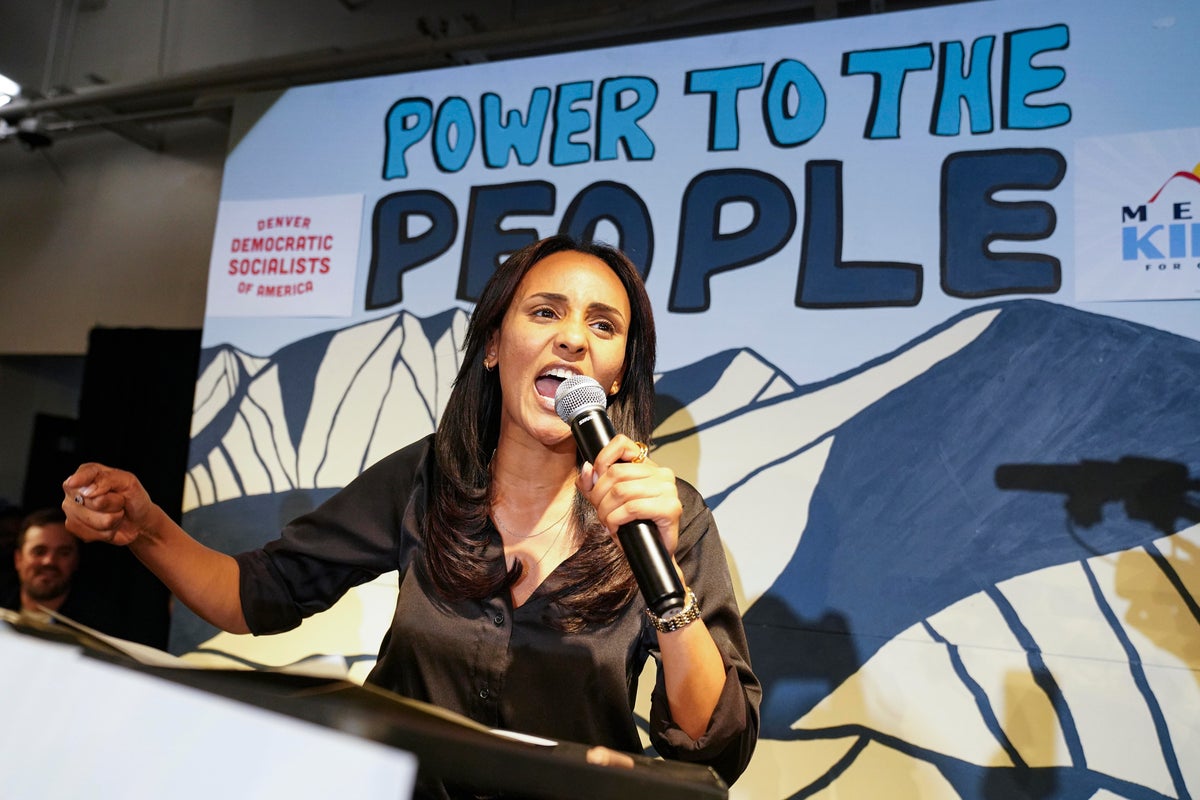
The political playbook is being rewritten right in front of us, and almost everyone is misreading the field. Open up any conventional political analysis right now, and you’ll see the same narrative splashed across the pages. They'll tell you that left-wing insurgents are staging a hostile takeover of the Democratic party. They’ll warn that a progressive wave is sweeping primary season, handing Republicans the ultimate gift for the general election.
It’s a neat story. It’s also completely wrong.
The idea that Alexandria Ocasio-Cortez and her allies are single-handedly steering the opposition into a general election buzzsaw is a massive oversimplification. Yes, populist outsiders are winning primaries. Yes, the standard establishment model is taking a beating. But if you look at how these races are actually being won—and more importantly, who is winning them—the reality looks much different. The truth is that voters aren't chasing academic progressive theory. They are hunting for populist fighters who sound like real people.
And while national Republicans might think they're about to cruise to an easy victory against a radicalized opposition, they are making a dangerous bet on how independent voters react to the noise.
The Mirage of the Progressive Purity Test
Let’s look at what’s actually happening on the ground. When an outsider candidate pulls off an upset victory in a primary, national commentators rush to check their ideological scorecard. They look for specific progressive endorsements and declare an automatic victory for the hard left.
But voters in working-class districts don't read Twitter manifestos.
When you study the insurgent candidates who are actually moving the needle this cycle, their platforms focus heavily on kitchen-table economics rather than culture-war battles. Take a look at recent primary successes in competitive states. The winners aren't just career activists from deep-blue university towns; they are local firefighters, union organizers, and working-class populists who talk about corporate greed, falling wages, and crumbling local infrastructure.
The national media mistakes this populist energy for a uniform cultural shift. It’s a classic mistake. They focus entirely on the ideological labels while completely missing the anti-establishment undercurrent driving the voter turnout.
- The Insurgent Reality: Candidates are winning by presenting themselves as fighters against an entrenched political class.
- The Economic Pivot: Success depends on aggressive economic populism, not elite cultural rhetoric.
- The Geographic Limit: The purest progressive platforms still struggle heavily outside of deep-blue urban centers.
This isn't to say the institutional left isn't scoring points. They are. But treating every populist victory as a direct clone of the original 2018 New York upset ignores the localized nature of these campaigns.
Why the Republican Celebration is Premature
Over on the other side of the aisle, leadership is celebrating. The conventional wisdom inside the GOP is simple: the more left-wing candidates win primaries, the easier the general elections will be. They believe they can simply tag every opponent as an extremist and coast to a comfortable majority.
It’s lazy strategy, and it ignores recent history.
We’ve seen this exact scenario play out before. When one party assumes the other side has alienated everyday voters, they tend to overplay their own hand. They nominate their own hyper-partisan candidates who appeal deeply to the base but look completely radioactive to moderate voters.
Independent voters are notoriously fickle, but they consistently despise one thing: predictability. When they are forced to choose between an economic populist who promises to disrupt the status quo and a hyper-partisan conservative focused on ideological retribution, they don't always break the way the tracking polls suggest. In fact, historical data shows that when the electorate is deeply pessimistic about the economy, they will often punish whichever party looks more obsessed with ideological theater.
The Low Turnout Trap Holding Both Sides Hostage
To truly understand why our politics feels so distorted right now, you have to look at the math behind how these politicians get chosen in the first place. The real crisis in American elections isn't a shift to the left or a slide to the right. It’s the sheer lack of people showing up when it actually matters.
The numbers are genuinely brutal. In a typical primary cycle, a tiny single-digit percentage of eligible citizens decides the vast majority of congressional seats. Because our map is so heavily gerrymandered, most districts are entirely safe for whoever wins the dominant party's primary.
"A staggering percentage of the U.S. House is effectively elected by a microscopic fraction of the public months before November even arrives."
This low-turnout reality creates a massive incentive problem. Candidates don't build platforms to appeal to the broad public; they build them to survive the handful of highly motivated, highly partisan voters who turn out in June or July. It's a system designed to produce conflict, and it's why the rhetoric on your television screen feels so completely detached from the conversations you have with your neighbors.
How to Read the Real Signals This Election Cycle
Stop watching the national cable news chyrons. If you want to know where the country is actually heading, you need to change your focus.
First, watch the margins in the suburban districts that actually swing back and forth during general elections. If populist outsiders are winning there, look at their specific messaging. Are they leading with national culture fights, or are they talking about local manufacturing, healthcare costs, and prescription drug prices? The answer will tell you if their momentum is sustainable.
Second, pay attention to the independent voter tracking data. Don't just look at whether they approve of the current administration. Look at their appetite for disruption. If independents are breaking for populist candidates despite ideological differences, it means the desire to break the current system is vastly more powerful than partisan labels.
The conventional wisdom says we are headed for a predictable clash of extremes. The data suggests something far more volatile: an electorate that is deeply tired of the script and perfectly willing to punish any politician who thinks they have the game figured out.



.jpg)