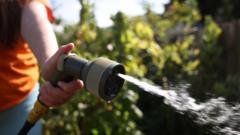
It’s happening again. If you live in the East of England, you’ve likely heard the news that Anglian Water is enforcing a Temporary Use Ban—popularly known as a hosepipe ban—starting at 1:01 AM on Saturday, July 11, 2026. After weeks of blistering heatwaves and soaring demand, the taps are feeling the squeeze.
But let’s be honest about what’s actually going on here. It’s incredibly easy for water companies to point at a dry spell and blame climate change. Yes, the East of England is the driest region in the UK. Yes, we’re dealing with a brutal summer. But the reality behind this ban, the first one Anglian Water has put in place since 2012, is a mix of infrastructure lag, surging demand, and a system stretched to its absolute limit.
If you're wondering how this affects your weekend plans, your garden, or your wallet, here’s what you actually need to know.
Why the Driest Region in the UK is Running on Empty
Anglian Water covers a massive footprint, supplying around five million people. Right now, the company is treating and pumping about 30% more water than usual just to keep up with everyone cooling off, watering lawns, and filling pools.
The core issue isn't just that it isn't raining today. The problem is that groundwater levels and reservoir storage across the region are notably low because we are using water faster than nature can replenish it.
But here is the detail that drives locals crazy: we just went through some of the wettest winters on record over the last few years. How are we facing a shortage the moment the sun stays out for a few weeks?
The truth is our infrastructure isn't designed to hold onto that winter bounty efficiently enough for summer spikes. Instead, we rely heavily on rapid extraction from rivers and underground aquifers. When those run low, the environment suffers, river levels drop dangerously, and the water companies have to pull the emergency brake.
What You Can and Cannot Do Starting This Weekend
Let’s skip the corporate jargon and look at what this ban actually restricts. If it connects to a mains-supplied hosepipe, sprinkler, pressure washer, or irrigation system, it’s basically off-limits for domestic use.
The Strict Banned List
- Watering your lawn or garden plants using a hose or sprinkler.
- Washing a private vehicle (cars, motorbikes, caravans).
- Cleaning patios, driveways, walls, or windows with a pressure washer or hose.
- Filling or maintaining domestic swimming pools, paddling pools, or hot tubs.
- Filling ornamental fountains or garden ponds (unless there are fish to keep alive).
What’s Still Allowed
You don't have to let your expensive garden die. You can still use a watering can or bucket filled from the tap, or better yet, use water collected in a water butt.
There are also critical exemptions built into the rules that many people miss:
- Commercial Use: If you run a commercial car wash, a professional landscaping business, or a commercial nursery, you can generally keep operating. The ban targets domestic convenience, not livelihoods.
- Health and Safety: Cleaning a path to remove a genuine hazard is allowed.
- Animal Welfare: Filling water troughs for livestock or keeping pets cool is perfectly fine.
- Priority Services: Customers on Anglian Water’s Priority Services Register with specific medical conditions or long-term health needs can apply for exemptions.
Note: The ban applies across the entire Anglian Water network, with the sole exception of the Hartlepool water zone.
The Elephant in the Room: Leaks and Public Frustration
Walk down any street in Essex, Norfolk, or Cambridgeshire right now, and you’ll find a common sentiment. People are angry. Social media is flooded with residents pointing out the hypocrisy of being threatened with a £1,000 fine for watering their geraniums while mains water leaks bubble up through local tarmac for days on end.
It’s a valid critique. Privatized water companies face immense pressure to prioritize shareholder dividends over massive infrastructure upgrades like building new mega-reservoirs. Anglian Water claims they’re fixing leaks faster than ever, but when a community is told to ration a basic resource, every visible burst pipe feels like a slap in the face.
There's also a growing debate about future demand. With the East of England rapidly expanding and massive, water-hungry infrastructure projects like data centres being proposed across the UK, our current water management strategy simply isn't sustainable for the long haul.
Practical Steps to Navigate the Ban
Don't let your garden turn into a dust bowl just because the hose is locked away. You can adapt quickly with a few smart adjustments.
- Ditch the lawn anxiety: Established grass is incredibly resilient. It might turn brown and look dead, but it’ll bounce back to life with the first proper autumn rain. Stop wasting energy trying to keep it bright green in July.
- Targeted watering: Use a watering can early in the morning or late in the evening. This ensures the water gets straight to the roots of your prized plants and vegetables instead of evaporating instantly in the midday heat.
- Recycle greywater: Keep a bucket in your shower to catch the cold water while it warms up, or reuse cool dishwater to feed your flowerbeds. Every little bit keeps the pressure off the local network.
This ban isn’t just about surviving a hot weekend; it’s a stark reminder that water is a finite resource in the UK's driest corner. We have to change how we value it, even when the water companies have plenty of structural answering to do themselves.