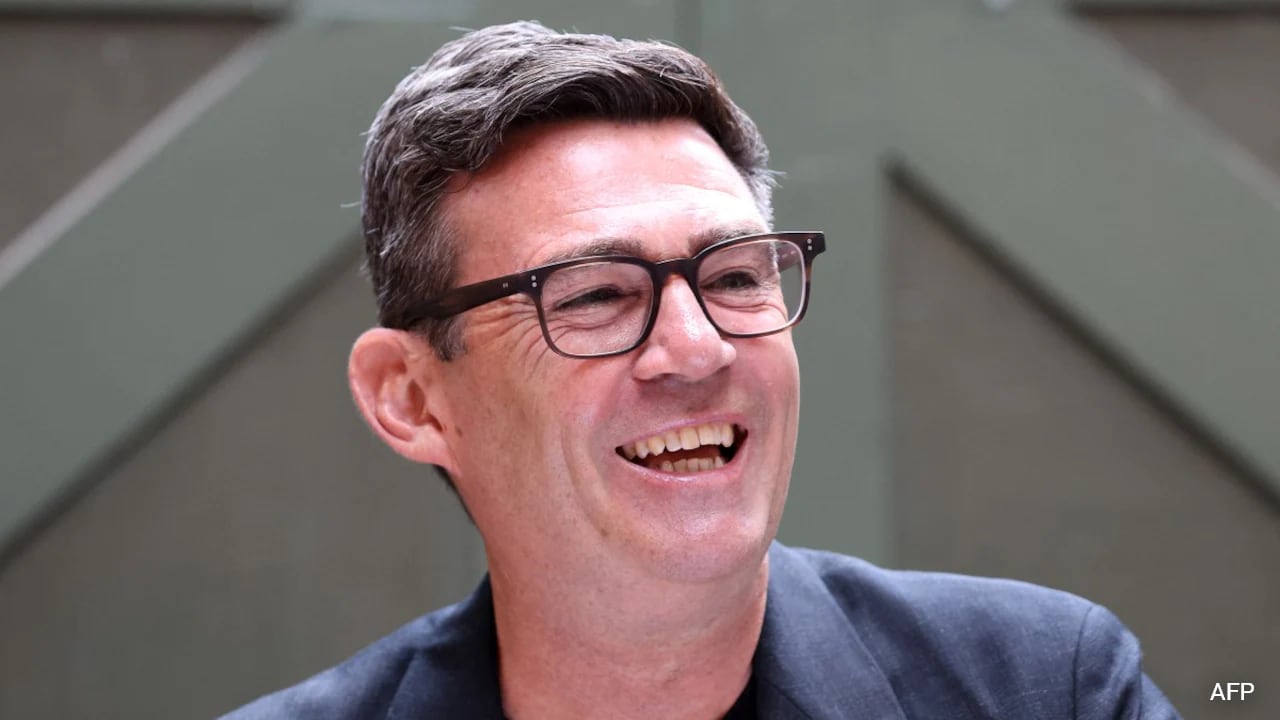
British politics doesn't do predictable anymore, but what happened on July 9, 2026, blew right past standard political drama. Andy Burnham didn't just step up to replace Keir Starmer; he essentially walked into 10 Downing Street without a single opponent standing in his way.
When the first round of nominations closed on Thursday evening, a staggering 322 out of Labour’s 403 MPs had formally put their names behind the 56-year-old veteran. That leaves exactly 81 undeclared MPs. Because convention dictates the outgoing leader doesn't nominate anyone, there are literally not enough signatures left in Westminster to put another challenger on the ballot.
It’s over before it even started. Burnham will be officially crowned leader on July 17 and will meet King Charles III to become Prime Minister on July 20.
If you’ve been watching the slow collapse of the Starmer administration over the past few months, this isn't a shock. But the sheer speed of this coronation says everything about a parliamentary party that is absolutely terrified of the alternative.
The Circuit Breaker to Westminster Insularity
Burnham is calling this a "circuit breaker". It’s a great line, and honestly, it’s exactly what his supporters wanted to hear. His pitch is built entirely on rewiring an economy that he argues has left ordinary people behind, stretching growth out of London and into every single postcode.
But let’s look at why he’s actually here. Starmer walked away on June 22 after losing the confidence of his own backbenches following months of sliding poll numbers and brutal policy flip-flops. Burnham, meanwhile, had perfectly timed his exit from Greater Manchester local government. He won a neat by-election in Makerfield, took his seat in the Commons on the exact day Starmer resigned, and immediately became the focal point for a party looking for a savior.
The "King of the North" moniker isn't just a meme. Winning three consecutive terms as mayor gave him something almost no one in the current Cabinet has: a high-profile track record of executive delivery outside the Westminster bubble. MPs locked in tight seats look at his public favorability ratings—which completely outclassed Starmer’s toward the end—and they see survival.
The Massive Financial Black Hole Waiting at Number 10
It's easy to win a leadership race when nobody runs against you. Governing is a completely different beast. Burnham's economic blueprint sounds wonderful on paper:
- Building a massive wave of new council homes.
- Bringing essential services like water and energy back under public ownership.
- Decentralizing government by setting up a formal "No. 10 North" to fast-track regional devolution.
But let’s talk about the math. Starmer’s final weeks were plagued by a massive £4.7 billion funding gap uncovered in the Defence Investment Plan. Burnham has already gone out of his way to reassure the City that he will stick to strict borrowing limits to keep the markets from panicking.
You can't buy back water companies, construct hundreds of thousands of homes, plug a multi-billion-pound defense hole, and maintain fiscal discipline without something breaking. That something is almost certainly taxes.
Interestingly, four major Cabinet figures didn't sign Burnham’s nomination papers on Thursday: Housing Secretary Steve Reed, Home Secretary Shabana Mahmood, Energy Secretary Ed Miliband, and party chair Anna Turley. While missing a nomination deadline can just be a matter of logistics, both Miliband and Mahmood are heavily tipped for the Chancellor job. Whoever gets the keys to the Treasury is going to have to tell the public how this bold new era is actually getting funded.
The Real Goal is Stopping Nigel Farage
Why did 80% of Labour lawmakers panic-sign Burnham's papers on day one? They aren't just looking for an economic reboot; they're looking for someone who can speak to working-class voters without sounding like a corporate lawyer.
Nigel Farage’s Reform UK party has been leading or heavily threatening Labour in national opinion polls for more than a year. Starmer’s technocratic style simply wasn't connecting with people feeling the pinch of a brutal cost-of-living squeeze. Burnham possesses a natural, retail-politics charisma that gives him a fighting chance of winning back the very voters currently drifting toward Reform.
He's also ready to lean into areas where Starmer feared to tread. Burnham has already signaled a willingness to deviate from the previous administration’s stance on foreign affairs, particularly regarding more critical oversight of Israel's military operations in Gaza—a massive pain point for Labour's activist base.
What Happens Next
The timeline is locked in. There's no point waiting for a campaign that won't happen.
If you are tracking British policy or running a business affected by government regulations, don't look at Westminster next week. Watch Manchester and the North. Burnham's team is already drafting the structural framework for regional devolution that will strip power out of London faster than anything we've seen in modern political history. Expect the formal transition on July 20 to usher in an immediate reshuffle focused heavily on northern and regional MPs who cleared his path to power. The coronation is done; the real fight to fund it begins now.


.jpg)