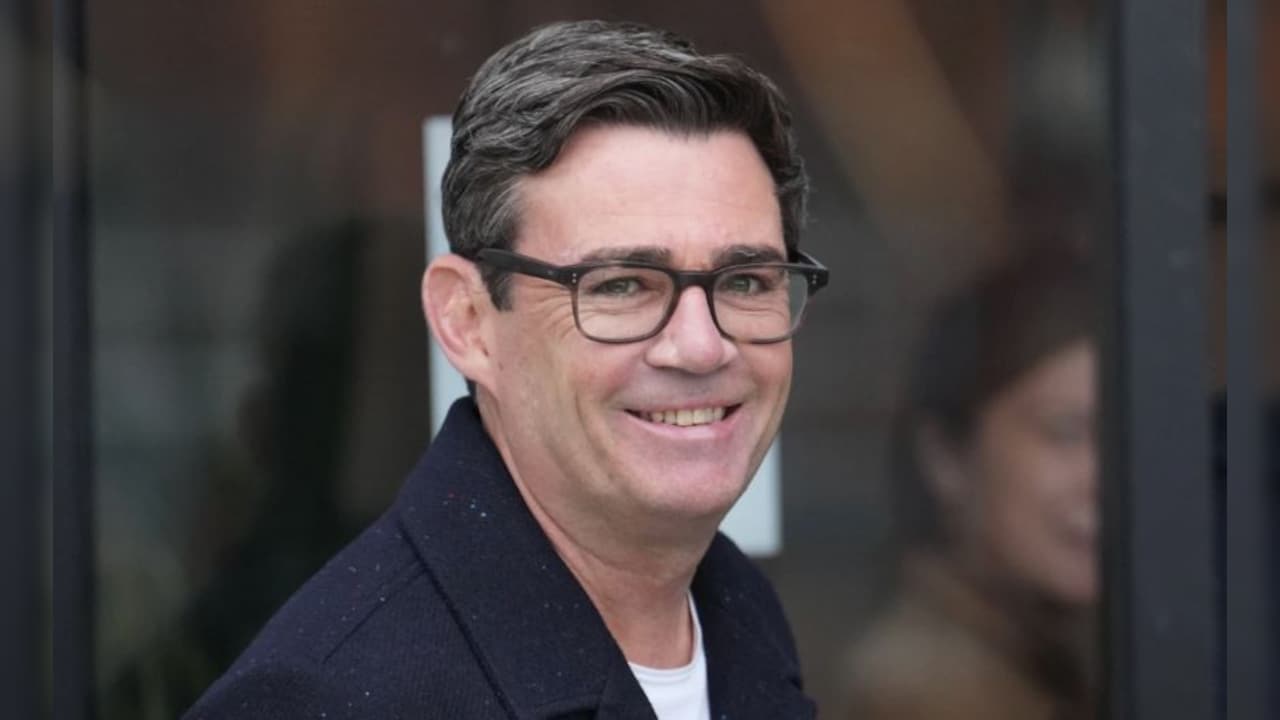
Keir Starmer is out. After months of plummeting poll numbers, policy U-turns, and a party room in open revolt, the Prime Minister has officially announced his resignation. The British public is completely exhausted by the cost-of-living crisis, and Labour is staring down its final chance to prove it can actually govern.
Enter Andy Burnham.
For years, Westminster insiders treated the former Greater Manchester Mayor like an outsider shouting from the fringes. They called him the "King of the North," a title meant as a polite dismissal. Nobody is dismissing him now. Following his emphatic victory in the Makerfield by-election on June 18, where he completely demolished Reform UK, Burnham didn't just re-enter Parliament. He effectively ended the Starmer premiership.
If you want to understand where British politics is heading next, you have to stop looking at the standard Westminster playbook. The public isn't looking for another cautious manager. They want someone who feels real.
The Makerfield Shift and Why It Changed Everything
Westminster usually operates on a predictable rhythm, but Burnham completely broke the script. The Makerfield by-election was supposed to be a grueling battleground. Nigel Farage’s Reform UK had been surging across northern England, capitalizing on massive public anger over high bills and economic stagnation.
Burnham didn't just squeak by. He secured 54.8% of the vote, beating Reform by more than 9,000 votes. He won more votes than the two main right-wing parties combined.
The victory completely transformed the mood within the parliamentary Labour Party. For months, backbenchers were terrified of losing their seats to populists. Burnham showed them a blueprint for fighting back. By taking a direct, unapologetic approach focused on public control of services and local investment, he proved that a progressive message can still win over working-class communities.
Josh Simons originally stepped aside from the Makerfield seat specifically to clear a path for Burnham's return to the House of Commons. It was a high-stakes gamble that paid off instantly. Within days of the vote, the pressure on Starmer became completely unbearable, culminating in his resignation notice on June 22.
From New Labour Insider to Northern Rebel
To understand why Burnham connects with voters now, you have to look at how much he has changed over his twenty-five years in politics. He isn't a fresh-faced outsider. He served as Health Secretary under Gordon Brown and was deeply embedded in the New Labour establishment.
When he ran for the party leadership back in 2015, he ran a cautious, focus-grouped campaign. He came in a distant second to Jeremy Corbyn. It looked like his career at the top of national politics was completely over.
Leaving London for Greater Manchester in 2017 was the smartest move he ever made. Away from the Westminster bubble, he reinvented himself.
- The Bee Network: He took control of Manchester's chaotic bus network, bringing it back under public control for the first time since the 1980s. He lowered fares and built an integrated transport system that actually worked.
- Pandemic Defiance: In 2020, he famously stood on the steps of Manchester Central Library and took on the Treasury, demanding better financial support for workers during regional lockdowns. He lost the financial argument at the time, but he won the public's respect.
- Housing Reform: He focused heavily on rough sleeping and set up schemes to protect private renters from rogue landlords.
By the time he stepped down as mayor, he had built a reputation as an executive who gets things done, rather than a politician who just delivers speeches.
What an Andy Burnham Premiership Actually Looks Like
With Starmer stepping aside, a leadership election is underway. While other figures like Wes Streeting are expected to put their names forward, Burnham enters the race as the overwhelming favorite among both party members and the wider public. Recent polling from Ipsos shows that 23% of the public want Burnham as the next leader, compared to just 1% for Streeting or Al Carns.
Burnham isn't planning a continuation of Starmer's cautious approach. He has already stated that this is Labour's "final chance to change," and his policy priorities represent a significant shift to the left on public services, balanced by a very practical approach to local government.
Nationalizing Key Infrastructure
Expect a Burnham administration to move quickly on public ownership. He has already praised the initial steps to nationalize rail, but his team wants to go much further. He is expected to target failing water utility companies, starting with Thames Water, and push for greater state control over the National Grid to drive down household energy bills.
The "Manchesterization" of Britain
Burnham believes the biggest problem with the UK economy is that it is far too centralized in London. His core policy is mass devolution. He wants to give local mayors across the country the power to manage their own schools, housing budgets, and health integration systems. If it worked for Greater Manchester, he wants to apply it to Yorkshire, the Midlands, and beyond.
Immediate Relief for Renters
The cost-of-living crisis is the single biggest issue destroying Labour's polling numbers. To combat this, Burnham is reportedly planning a immediate one-year rent freeze for private tenants, who currently make up roughly 20% of the UK population. It’s a controversial move that will infuriate landlords, but it sends an immediate signal to struggling voters.
The Massive Roadblocks Ahead
It won't be an easy ride. Winning a by-election in a friendly northern seat is completely different from running a G7 nation with a broken economy. If Burnham wins the leadership contest, he inherits a colossal mess.
The UK's public finances are incredibly tight. The Treasury will fight him on every single spending plan, and he won't have the cash to fund massive new public investment projects immediately. He will have to choose between keeping his promises to working-class voters or reassuring the financial markets that Labour won't blow the budget.
He also faces a brutal battle with the corporate sector. Nationalizing water companies and freezing rents will trigger massive pushback from investors. Furthermore, Labour itself remains deeply divided. While backbenchers are relieved to have a popular figure at the helm, the centrist faction of the party remains deeply suspicious of Burnham’s populist instincts.
Your Next Steps for Tracking the Leadership Race
The political landscape is moving incredibly fast. If you want to stay ahead of the news over the next few weeks, here is exactly what you need to watch:
- Monitor the Nominations: Watch how many MPs publicly back Burnham over the coming days. If he secures the backing of more than 80% of the parliamentary party, he could potentially take the leadership unchallenged, avoiding a prolonged and damaging summer contest.
- Watch the Shadow Chancellor Pick: This is the most important decision Burnham will make. If he picks a traditional fiscal conservative, it means he is compromising with the Treasury. If he goes with someone like Ed Miliband, it signals a full-throttle push for green investment and state intervention.
- Track the Mayoral By-Election: Because Burnham stepped down to enter Parliament, Greater Manchester now needs a new mayor. This election is scheduled for late July and will be a massive test of whether the Labour brand can hold onto the region without Burnham's personal popularity on the ballot.


.jpg)