Westminster doesn't work. Everyone knows it, but the people inside the London bubble usually pretend the machinery just needs a bit of oil. Andy Burnham isn't playing that game anymore.
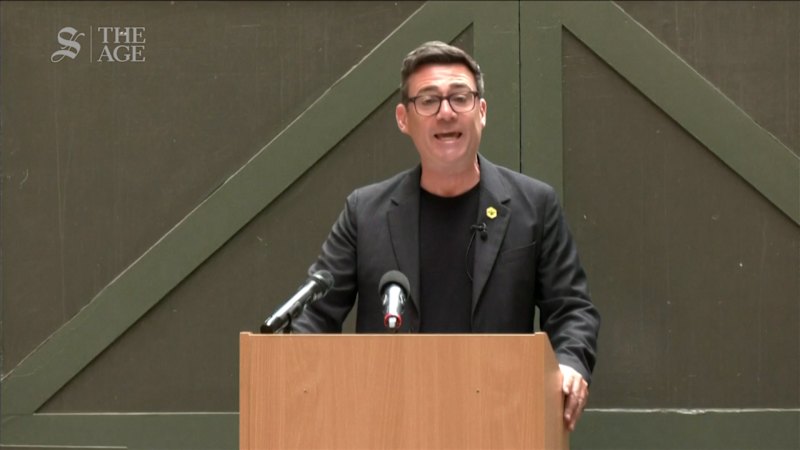
Fresh off his victory in the Makerfield by-election, the prime minister-in-waiting used a major speech at Manchester's People's History Museum to announce what he calls a "circuit breaker" for the British state. It's a blunt admission that the top-down political model of the UK is broken. Instead of tweaking the dials from a desk in Whitehall, Burnham wants to rip the controls out entirely and hand them to local communities.
His big idea? A literal counterweight to Downing Street called "No. 10 North," based in Manchester.
This isn't just about moving a few civil service desks to the regions to tick a diversity box. It's an aggressive bid to rewire how the British economy functions. If you've been watching the UK's stagnant productivity and widening regional inequality, you know this speech marks a massive shift in direction.
The Core of the Circuit Breaker
The UK has some of the worst regional inequality in the developed world. Money, power, and talent get sucked into London and the southeast like a black hole. Burnham's speech laid the blame directly at the feet of a highly centralized political system.
His solution is a doctrine called "Manchesterism"—a philosophy forged during his nine years as Metro Mayor of Greater Manchester. It relies on a blend of public control and private investment to fix public services. It worked for the local bus network, and now he wants to apply it to the whole country.
The strategy rests on a 10-year mission targeting three areas where local leaders will get massive new powers.
- Utility Reform: Giving regional mayors direct control over failing local utilities, particularly water and energy systems.
- Reindustrialisation: Using public procurement rules to force a "buy British" strategy, driving manufacturing jobs into struggling towns.
- Housing and Welfare: Launching the largest council house building programme since the post-war period, while giving local leaders power over post-16 technical education to get young people off benefits.
To make sure this actually happens, No. 10 North will act as a regional nerve center. It will force Whitehall departments to deploy staff and resources directly to regional authorities rather than micromanaging from London.
The Reality Behind the Rhetoric
If this sounds familiar, that's because it is. You're probably remembering Boris Johnson's "levelling up" agenda or Keir Starmer's promised "Take Back Control Act." British politicians love promising to decentralize power right up until they get into Downing Street and realize they don't want to give it away.
But there are two massive differences this time around.
First, Burnham has actually done this before. He built the Bee Network in Manchester, taking back control of local buses and cutting fares. He has hands-on experience dealing with the structural roadblocks that Whitehall throws up.
Second, the timing is brutal. Starmer's sudden resignation has left Burnham as the sole candidate for the Labour leadership. He's expected to enter Downing Street unopposed by mid-July. He doesn't have the luxury of a long honeymoon period. Liberal Democrat leader Ed Davey has already warned that the public is impatient and Burnham has a very short window to turn the country around.
The Fight Over the Treasury Purse Strings
The real battle won't be between Burnham and the opposition Conservatives. It will be an internal war over the Treasury.
Burnham has promised financial markets that he will respect existing fiscal rules and run sound public finances. The Pound Sterling even rallied slightly after his speech. But you can't build massive amounts of social housing and reindustrialize the north without spending serious money.
The rumors swirling around his pick for Chancellor show exactly where the pressure lines are. Some allies want him to appoint Ed Miliband to smash through traditional Treasury orthodoxy. But trade unions and city traders are already pushing back, terrified that Miliband's strict net-zero agenda will damage industry and spook investors.
Burnham's team is keeping their cards close to their chest. One ally even joked that the more boring and fiscally cautious Burnham's speech sounded, the more likely it is that Miliband gets the job.
What Happens Next
Burnham is planning for a decade in power, hinting that he intends to fight at least two general elections. But the immediate steps are already locked in.
- July 16: Nominations for the Labour leadership formally close.
- July 20: Burnham is expected to officially become Prime Minister.
- The First 100 Days: Setting up the physical infrastructure for No. 10 North and shifting key regional development staff out of London.
Whether Manchesterism can scale up to fix a broken Britain remains to be seen. Shuffling power between politicians won't fix high taxes or a broken welfare system on its own. But by declaring war on Whitehall's centralization, Burnham has at least picked the right enemy.
To see the raw energy behind this shift and hear the exact words that shook up Westminster, you can watch this clip of Andy Burnham's circuit breaker speech. It shows the new Prime Minister-in-waiting delivering his direct challenge to traditional top-down politics.