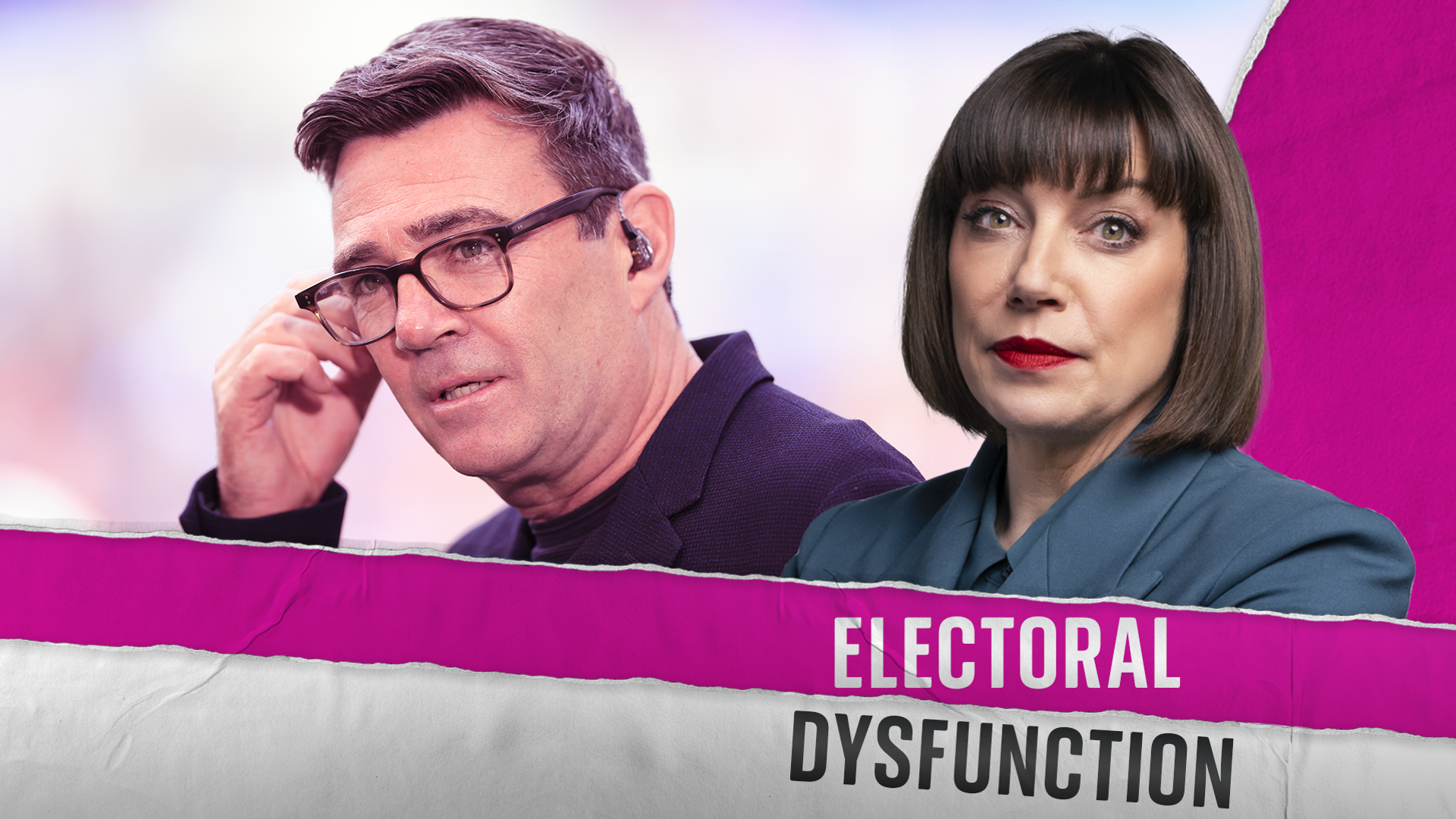
Andy Burnham hasn't even walked into 10 Downing Street yet, but his plan to manage the notoriously fractious Parliamentary Labour Party is already dividing Westminster. With nominations closing soon and a coronation expected on July 17, the incoming prime minister has promised a radical break from the heavy-handed, top-down style that defined the Keir Starmer era. Burnham calls it a bottom-up revolution. Skeptics call it something else entirely.
The debate hit a boiling point on the latest episode of Sky News's Electoral Dysfunction podcast. Labour grandee Baroness Harriet Harman praised the blueprint as a shift toward genuine internal democracy. Former Scottish Tory leader Baroness Ruth Davidson shot back instantly, labeling the entire project "absolute vapid bollocks."
It’s easy to see why the pitch sounds attractive to traumatized backbenchers. After years of feeling like voting fodder for a control-freak leadership team, Labour MPs are being promised a seat at the table. Burnham claims he'll attend weekly meetings of the Parliamentary Labour Party, vote alongside backbenchers, and transform the whipping system from a punishment squad into something resembling a supportive HR department.
The Myth Of The Bottom Up Government
The core of Burnham's strategy is simple. He wants to convince a parliamentary party still reeling from Starmer's sudden exit that things will be different under his watch. Harman argued that Burnham understands the party is a different organism now, one that can't just be managed by a prime minister issuing edicts from behind closed doors.
But can a prime minister actually govern this way?
History says no. The sheer physics of the office make Burnham's promise to attend weekly backbench meetings look incredibly naive. Davidson pointed out the glaring flaw in the logic. A prime minister has to run the country, manage international crises, attend G7 summits, and navigate NATO meetings. The idea that a premier can regularly carve out hours every single week to sit in a committee room listening to local grievances is a fantasy. If Burnham shows up more than once every three months, it'll be a miracle.
Managing a massive parliamentary majority requires discipline, not group therapy. When the pressure mounts and controversial bills loom, governments don't need an HR department. They need votes. Burnham's promise to soften the whips might win him applause during a leadership campaign, but it's a terrible strategy for passing legislation.
The Pending Welfare Trap
The cracks in this collegiate strategy will appear the moment the new government faces its first real policy crunch. We already know where that explosion will happen: welfare reform.
It's no secret that Starmer's downfall began when he tried to squeeze the welfare bill, triggering a massive backbench rebellion that fractured his authority. Burnham thinks he can bypass this trap by devolving back-to-work powers to regional mayors, hoping that localized job creation will naturally shrink the benefits bill without the need for unpopular cuts.
It’s a neat theory, but it ignores the brutal reality of the Treasury's balance sheet. Devolving power takes time. The savings from regional employment schemes don't materialize overnight. Meanwhile, the incoming chancellor will be staring down a fiscal black hole that requires immediate decisions.
When the Treasury demands cuts, Burnham won't have the luxury of co-designing consensus over coffee with left-wing backbenchers. He will have to choose between fiscal discipline and backbench harmony.
How To Bridge The Westminster Rift
If Burnham wants to avoid the mistakes that tanked his predecessor, he needs to drop the idealistic rhetoric and focus on structural fixes that actually work in government.
- Appoint Regional Liaisons, Not Weekly Meetings: Instead of promising personal attendance at every meeting, Burnham should place key allies directly into the parliamentary party to act as genuine conduits for backbench policy ideas.
- Fix The Broken Ministerial Door: The real grievance among MPs isn't the whips; it's the fact that department ministers routinely ignore them. Burnham should mandate that ministers hold regular, structured briefings with backbench committees before legislation is finalized.
- Be Honest About Treasury Realities: Trying to please everyone on welfare will lead to a messy compromise that satisfies no one. The new leadership team needs to layout the financial reality to the party immediately, rather than hiding behind vague promises of devolution.
The honeymoon for the new administration will be exceptionally short. Relying on charm and promises of a kinder, gentler whipping system won't survive first contact with a Westminster winter.
Electoral Dysfunction podcast provides an essential look at the growing divide over how the incoming prime minister intends to handle the deep ideological splits within his own party.

:max_bytes(150000):strip_icc()/TAL-nassau-bahamas-BEAUTCARIB0323-4fbfce903e5a4418b895e03717e3de0d.jpg)