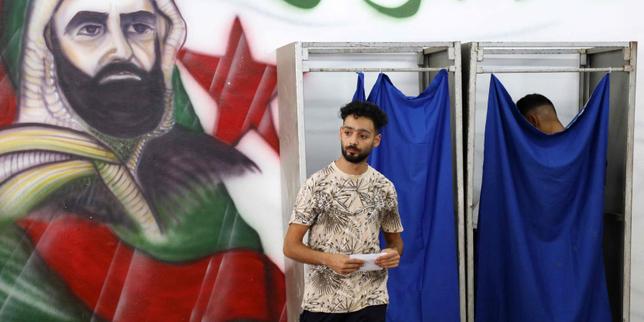
Algeria just held its national vote to choose a new parliament, and the results confirmed what everyone already suspected. People stayed home. The numbers from the National Independent Authority for Elections (ANIE) are stark. Only 20.79 percent of eligible voters inside the country actually turned up to cast a ballot. For the Algerian diaspora, that number plummeted to 10.67 percent.
When roughly four out of five citizens decide that standing in a voting line isn't worth their time, you aren't looking at a simple off-year dip. You're looking at a complete breakdown of political engagement.
If you are trying to understand why the latest Algeria legislative election ended up with a record-low turnout, you have to look beyond the official talking points. This wasn't about logistical issues or a lack of candidate options. It was a conscious, quiet protest by an exhausted public.
The Grim Reality of a 20 Percent Turnout
Let's look closely at what happened across the country on Thursday. ANIE interim chief Karim Khelfane announced these provisional numbers right after the polls closed. Around 25 million Algerians had the right to vote. They had plenty of choices on paper. Nearly 10,000 candidates threw their hats into the ring, all fighting to secure one of the 407 seats in the People's National Assembly.
On the surface, it looked like a competitive democratic exercise. The government set up over 61,000 polling stations across the nation. They ran promotional campaigns. They extended voting hours in certain regions to squeeze out every possible ballot.
None of it worked.
The streets of Algiers, Oran, and Constantine told a very different story from the official state media broadcasts. Polling stations remained quiet all day. Young people sat in cafes or walked past the voting centers without glancing at the ballot boxes. By midday, turnout crawled in the single digits in many major urban centers. While some rural areas and specific diaspora pockets, like the Algerian community in Tunisia, showed a bit more movement, it couldn't save the overall tally. A final national average of 20.79 percent means the new parliament will take power with almost no popular mandate.
Why the Electoral Machine Failed to Move the Masses
To understand this deep public apathy, you need to understand what happened to the political promises of the last few years. The government pitched this election as a crucial step toward building a new institutional framework. They claimed the revised electoral laws and independent oversight from ANIE would guarantee a clean, meaningful vote.
The average citizen didn't buy it.
The public sees the People's National Assembly as little more than a rubber-stamp body for decisions made higher up. In the minds of voters, it doesn't matter which party wins the most seats. The ultimate execution of power stays centralized, leaving parliament with very little leverage over daily life, inflation, or the job market.
Then you have the candidate problem. Having 10,000 people running sounds great in a press release. In reality, it created massive confusion. The vast majority of these candidates were political unknowns or independent lists with vague platforms. Without clear ideological differences or recognizable figures leading the charge, voters felt like they were choosing between identical options. It felt pointless.
Economic anxiety also drained whatever enthusiasm was left. Algerians are dealing with stubborn inflation, high youth unemployment, and a rising cost of living. When you're struggling to buy basic groceries or find a stable job, listening to abstract political speeches about institutional renewal feels incredibly out of touch. The economic struggle pulled people away from the political process.
The Disconnect Between the Government and the Street
The current leadership keeps trying to project an image of stability and progress to international observers and trading partners. They want the world to see a functioning legislative body that validates their reform agenda. They need this institutional veneer to maintain credibility.
The street is operating on a completely different wavelength. The mass mobilization energy that defined the country a few years ago has transformed into a heavy, collective shrug. People didn't boycott this election because of a coordinated political movement or an aggressive opposition campaign. They boycoticed because they simply don't believe the ballot box changes their reality anymore.
This passive boycott is much harder for the state to manage than active protests. You can't police a stadium of empty voting booths. You can't arrest people for staying home and watching football or hanging out with their families. The low numbers are a direct reflection of a silent majority that has mentally checked out from the official political system.
What Happens When a Parliament Lacks a Mandate
This historically low turnout leaves the upcoming parliament in a precarious position. The 407 lawmakers who eventually secure their seats will technically have the legal authority to pass laws, debate budgets, and ratify treaties. But legal authority is different from moral legitimacy.
When a lawmaker represents a district where only 15 or 20 percent of the neighborhood bothered to vote, their voice loses weight. Any controversial law or economic reform they try to pass down the road will face immediate skepticism from the public. People will naturally ask who these politicians actually represent.
This lack of public buy-in makes long-term governance incredibly fragile. If the government needs to implement tough economic measures, like cutting subsidies or restructuring public sectors, they won't have a reservoir of political goodwill to draw from. They'll be enforcing policies through an institutional structure that the vast majority of the population chose to ignore.
Watching the Next Political Steps
If you want to track how this political reality unfolds over the coming months, keep your eyes on a few specific indicators rather than the official speeches.
First, watch how the established political parties react to the final certified seat distribution. Look for whether the traditional coalition groups try to spin the low turnout as a victory for stability, or if independent lists manage to form a messy, unpredictable bloc.
Second, pay close attention to the upcoming economic policy announcements. The new parliament's first true test will be the national budget and how they handle the rising costs of essential goods. If the population sees immediate, aggressive price hikes without any real parliamentary pushback, the remaining shreds of institutional trust will vanish completely.
Finally, observe how the youth population engages outside the traditional system. The energy hasn't disappeared. It's just moving into community organizing, digital spaces, and local networks. That's where the real future of the country is being discussed, far away from the quiet polling stations and the empty legislative halls of Algiers.

:max_bytes(150000):strip_icc()/TAL-nassau-bahamas-BEAUTCARIB0323-4fbfce903e5a4418b895e03717e3de0d.jpg)