Ahmed al-Sharaa wants the world to look at his shiny new parliament. On Wednesday, his administration dropped a list of 70 newly appointed lawmakers, wrapping up a 210-seat People's Assembly. He threw in 15 women to look progressive, added some minorities, and is trying desperately to project the image of a reformed, inclusive, state-building statesman.
But you can't just wash away decades of history with an executive decree.
While the international press watches Damascus play dress-up with democratic institutions, a much grimmer reality is closing in. Sharaa—the man the world once feared as Abu Mohammad al-Jolani, head of the al-Qaeda-linked Nusra Front—is finding out that running a state means inheriting its targets. The tag of a terrorist threat isn't just something he used to wear; it's now the exact weapon his enemies are using to back him into a corner.
The Trap of Post-Assad Governance
When Sharaa’s forces swept into Damascus in late 2024 and kicked out Bashar al-Assad, he thought the hardest part was over. It wasn't. Winning a war is easy compared to managing a broken country with no money, millions of displaced people, and zero global trust.
Western powers didn't immediately roll out the red carpet. They watched. They waited. Even though the United Nations eventually adjusted some sanctions, the stigma sticks. The regional landscape is a minefield. To his south, Israel is aggressively carving out "security zones" past the old 1974 ceasefire lines, completely ignoring Syrian sovereignty. To his east, the Kurdish forces remain a distinct, highly armed headache despite rushed peace deals.
The biggest irony? Sharaa is now facing the exact radical insurgent threats he used to specialize in.
Skeptics always said that a former jihadi commander could never build a stable, secular-leaning coalition. They were right to worry. In places like the Druze-heavy Sweida province, things are so volatile that parliamentary selection had to be totally postponed. Clashes there have already left some 1,700 people dead. Radical remnants and hardline fundamentalists who think Sharaa sold out to the West are crawling out of the woodwork. They see his compromises as weakness. They view his tailored suits and diplomatic trips to Turkey as a betrayal of their extreme ideology.
The Iron Fist Inside a Velvet Glove
Let's look at what this new parliament actually is. It's managed inclusivity. It's a clever public relations stunt.
Under the temporary constitution introduced in March 2025, this new Assembly doesn't even have the power to give the government a vote of confidence. Sharaa holds the real keys. He uses a presidential ruling system that keeps absolute executive control firmly in his hands. He picked a third of the lawmakers himself to "fix imbalances," but really, it's about insurance. He needs a rubber stamp that looks like a democracy but acts like an autocracy.
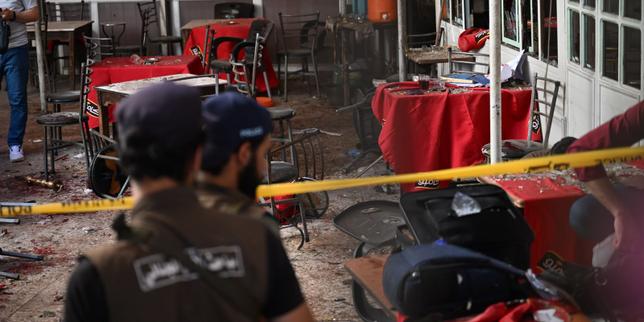
You can't blame him for being paranoid. His former right-hand man, Abu Maria al-Qahtani, died in a mysterious suicide bombing last year after a brief stint in Sharaa's prisons. That's how things are settled in this world. The threat of violence is constant, and it doesn't just come from foreign states or underground ISIS cells. It comes from within the very fabric of the movement that brought him to power.
What This Means for the Region
If you think a unstable Syria stays inside Syria, you haven't been paying attention for the last fifteen years.
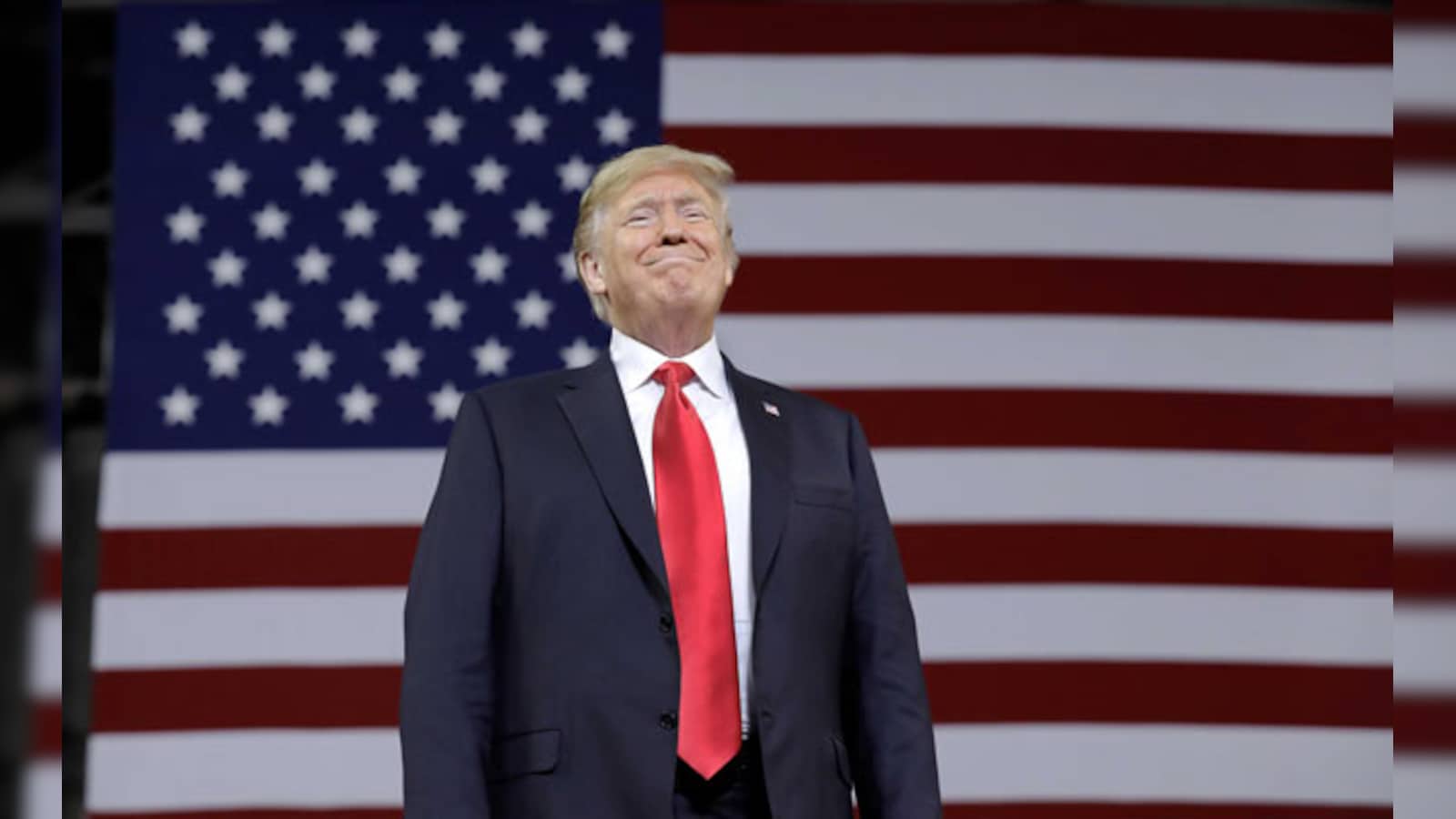
Sharaa has rejected military intervention in Lebanon, trying to stay out of the grinding conflict between Israel, the US, and Iran. He explicitly said Syria just wants economic integration and stability. US President Donald Trump even suggested Syria should take over dealing with Hezbollah in Lebanon. Sharaa said no. Wise choice, honestly. He knows his military is a patchwork of former rebel factions, state holdovers, and regional militias. If he gets dragged into an international war, his fragile administration crumbles in a weekend.
But staying neutral doesn't mean you're safe. By trying to please everyone—appointing Kurdish politicians like Abdul Hakim Bashar and Druze leaders like Laith Al-Balous—he risks pleasing no one. The hardliners see a traitor. The secularists see a wolf in sheep's clothing.
Next Steps for Following the Syrian Transition
Don't get distracted by the political theater in Damascus next Monday when the parliament holds its first session. If you want to know if Sharaa will survive the year, watch these three fault lines instead:
- The Sweida Security Void: Watch if the state can safely integrate the Druze south without another massive spike in casualties.
- The Israeli Border Creep: Track whether Israel continues establishing permanent military positions inside Syrian territory beyond the UNDOF buffer zone.
- The Economy of Idlib vs Damascus: Monitor whether private investment actually returns or if hyperinflation triggers a second wave of domestic unrest.